
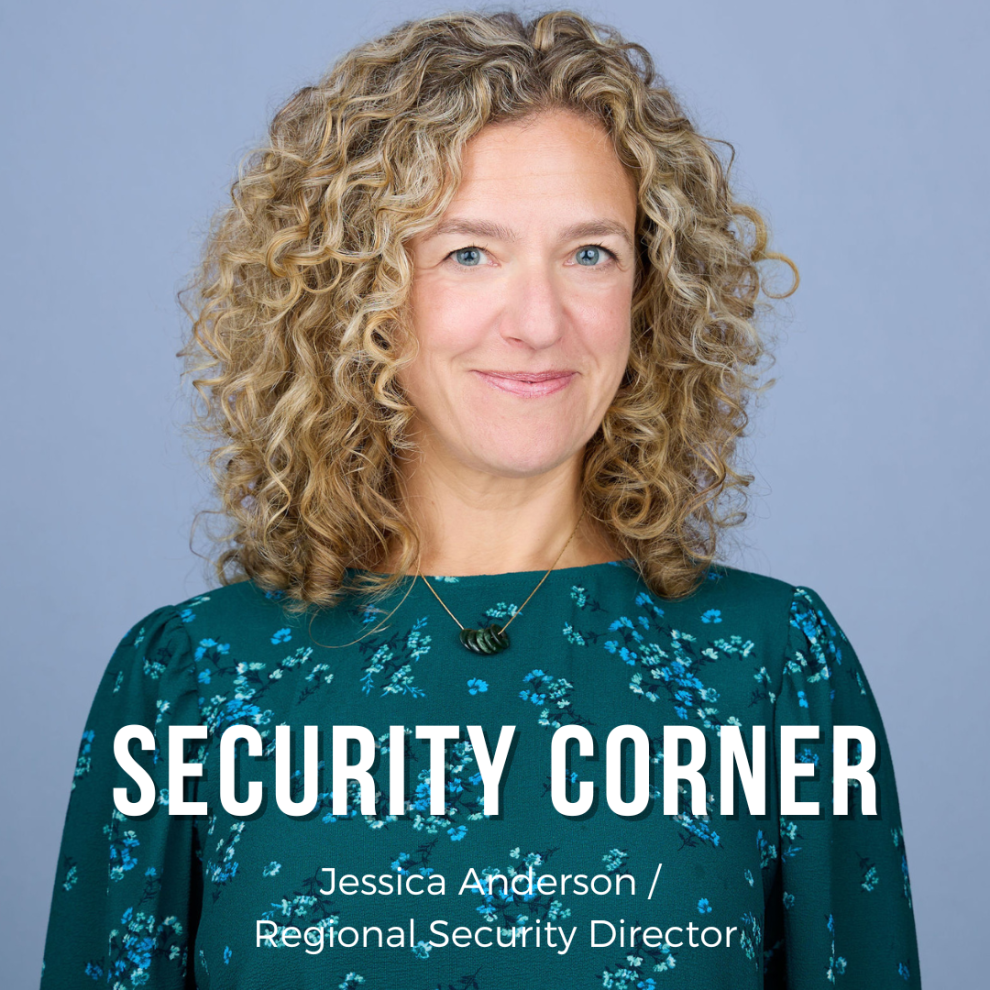
I’m writing this from 30,000 feet in the air, en route to the New Orleans Jazz & Heritage Festival, a yearly event featuring all genres of music and great food over two weekends. New Orleans is one of my favorite U.S. cities, and I think it is hands down in the top three for most unique American cities. The mix of culture, language, food, and history is unlike any other place in the U.S. If you know, you know. It also has its share of crime, and it made me think that as we approach travel season, I would visit the topic of safety while traveling.
A trip to Jazz Fest brings to mind a couple of safety considerations – time spent at the festival in large crowds and navigating in the city. But travel safety starts before you even leave the house. For starters, I tell no one outside my personal circle that I’ll be out of town, particularly if I’m leaving an empty house. This may sound dramatic, but I could tell you some crazy tales about break-ins that happened while people were away. In one instance, someone told a casual acquaintance in the neighborhood that he was going away; in another case, the person told their cab driver that he was going to be on an extended overseas trip. This homeowner also needed a new furnace right before he left and had three different companies come to the house to give him quotes, also telling them that they would have to wait three weeks for installation because he was going out of town! Not good. In both cases, these two people experienced a break-in at their house while they were away. Along these lines, I never tell my cab, Lyft, or Uber driver what my plans are, where I’m going, or for how long. If we’re chatting, and they ask about my trip, I’m always either doing an up-and-back day trip to Seattle (if I just have a small carry-on) or I weave my left-behind husband or house sitter into the conversation, so they know the house isn’t empty. You do not have to tell the truth to anyone in these situations. The same recommendation holds for posting pictures from your trip on social media while you’re away - you’re advertising to the world that your house is empty.
So, I’ve made it to the airport and am on my way. I don’t access the free WIFI at the airport without turning on my private Virtual Public Network (VPN). I recently took a call from someone who had Bitcoin stolen in a scam that started because he accessed his Coinbase account on free, public WIFI. If you think, well, I don’t do those kinds of investments, know it could have been any of his financial accounts. Is it a pain to have to wait until you can find private WIFI or to have to use a VPN? Yes, it is but do it. Accessing accounts over cell phone data is far safer and more anonymous than using unsecured WIFI.
After landing at Louis Armstrong Airport, I’m headed to the Airbnb in a Lyft. It’s late here, and if I were alone in the car with a male driver, I might consider calling someone to chat while in the car. It might make him think twice about doing anything concerning, being that I could relay information to my friend on the phone. Tomorrow morning, I’ll join more than 60,000 others at the fairgrounds. I’ll have a backpack with me, but my cash, phone, and credit cards I’ll keep in a hip bag. I did this recently, traveling in Europe after hearing about pickpockets (though I never had a problem). In large, pressed-in groups, I stay mindful of my bag, sometimes switching it around to my front, where I have more control over it. Situational awareness in crowds doesn’t mean I’m constantly checking around myself. It means that I know where I am in relation to the exits and major walkways, and I’m attuned to the sounds and feel of the crowd. If I hear something stirring, I notice and am available to react, but I’m not constantly looking out for it. As in all safety situations, the sooner you’re able to identify that something’s happening, the quicker you can figure out what to do.
Walking back to our Airbnb in the evening, even in what appears to be a nice neighborhood, we’re paying attention to what’s going on around us, noticing that passing cars keep moving and there aren’t people behind us or approaching. I would consider crossing the street or temporarily changing direction. This is the time when I’m most focused on safety, and sometimes it’s far smarter to call an Uber than risk walking in parts of town you’re unfamiliar with.
I’ve filed this article before I get home, but I promise you I had a great time and stayed safe. Any attention I paid to my safety and security was simple, easy, thoughtful, and didn’t detract at all from my enjoyment. That is really what safety and security are all about. Small actions, minimal distractions, and big potential impact. As I say in my trainings, it’s like putting on seatbelts. We don’t expect to get into an accident, but if we do, we’re more prepared and protected.
For training dates and class descriptions, check out the Security page on the JFPG website, found at https://jewishportland.org/security.