
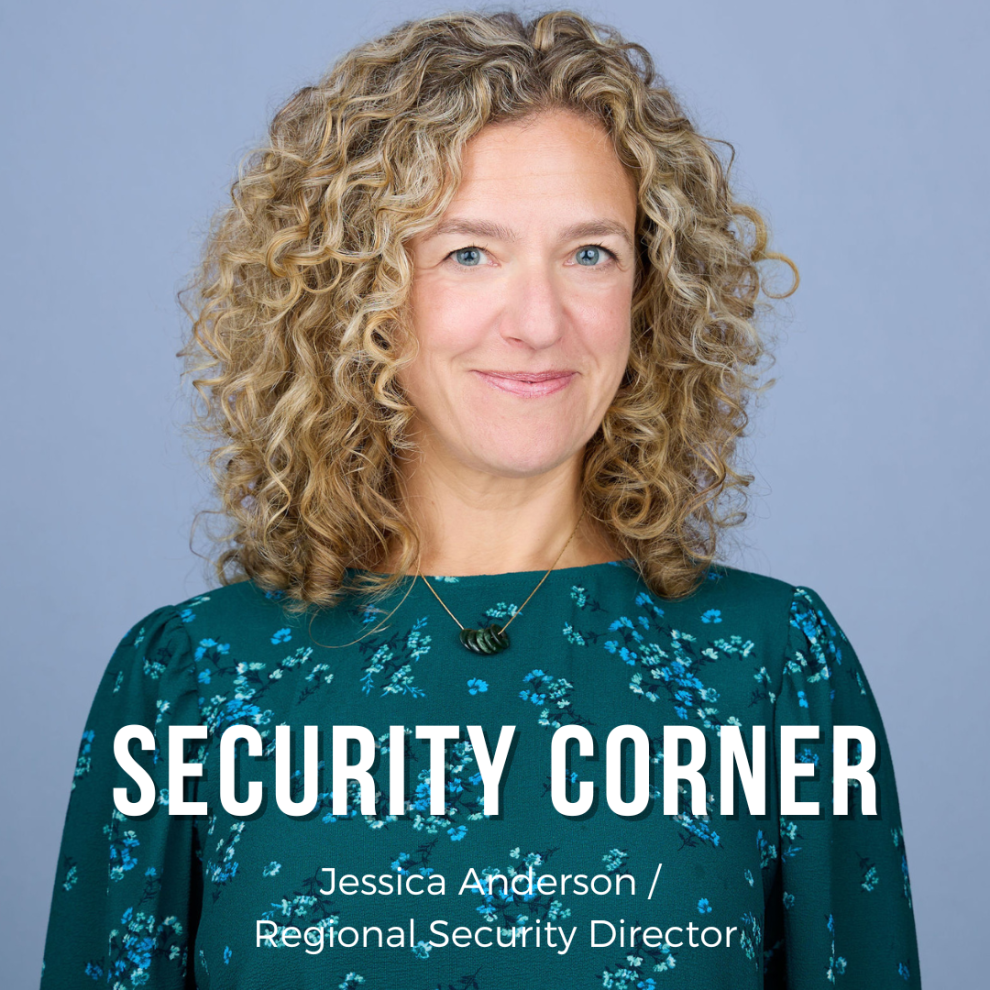
By JESSICA ANDERSON
You’re headed to the movies, and there’s a car accident in front of you. Your neighbor is mowing the lawn in flip-flops and runs over his foot. Your friend is injured while chopping kindling for the backyard fire pit. These are the everyday occurrences that can turn quickly into life-threatening situations. Minutes count! Someone who is severely bleeding can bleed to death in as few as 5 minutes. That’s why bleeding control—keeping the blood inside the body—is the purpose of Stop The Bleed training.
Knowing how to control bleeding from a serious injury is important for everyone. Did you know that bleeding is the number one cause of death following an accident? May is National Stop the Bleed Month, and May 22 is National Stop the Bleed Day. There are several ways to become informed, educated, and empowered.
The core elements of stopping life-threatening bleeding are the following:
Apply Direct Pressure: The first and most immediate step involves applying downward pressure directly to the wound using as much of your body weight to assist.
Pack the Wound: If the wound is gaping and continues to bleed, pack gauze or cloth down into the wound to help control the bleeding. Apply pressure on top of the gauze or cloth.
Apply a Tourniquet: For severe bleeding from arms and legs that does not stop with direct pressure or packing, a tourniquet may be necessary. Tourniquets are extremely effective, and if in doubt, use one. The phrase “high and tight” will help you remember to apply the tourniquet high on the arm or leg and make sure it’s tight enough to stop the blood flow.
There are amazing stories about people who suddenly found themselves in a situation where they needed to use these skills. Here’s one highlighted on the Stop the Bleed website at https://www.stopthebleed.org/learn-more/arizona-woman-saves-teen-after-ebike-accident/: In Gilbert, Arizona, Dawn Cain was on her way to work at an elementary school. Just half a block from the school, Dawn noticed an unfolding emergency. A young teen was lying on the ground, screaming in pain. Nearby, a motorized e-bike was crumpled against a parked car. Dawn immediately pulled over, leaving her car in the middle of the street to create a barrier and protect the scene. As she approached, she saw the severity of the situation: the boy had a compound fracture in his thigh, with bone protruding through his skin and a pool of blood forming. She had taken the Stop the Bleed course years earlier. The training had always seemed like a good skill, but until this moment, she had never needed to put it to use. She had a neighbor bring her a towel and call 911 as she applied pressure to the wound. The boy was in terrible pain, and other bystanders helped by talking with the boy until medics came to take over. Reflecting on the incident, Dawn felt a mix of emotions. She was relieved that the boy was recovering but recognized the importance of staying prepared. “I would like a refresher course,” she admitted. “When you’re in a high-pressure situation like that, you want to feel confident in every decision you make.”
These skills are as important to know as CPR and basic First Aid. I regularly offer free Stop The Bleed classes via Zoom, and they are open to the public and for sharing with friends and community. I can also schedule in-person training with your group or organization, which includes hands-on practice with tourniquets. My safety and security training calendar can be found on the JFGP website at https://jewishportland.org/events/security-training or you can contact me directly at [email protected] or 872-273-9214. Additionally, check out Stop The Bleed’s website at stopthebleed.org. You’ll find online courses, resources, and how Stop The Bleed is helping people across the US.
Don’t forget! It’s vitally important to report antisemitic incidents and experiences, large and small, so communities, law enforcement, and state agencies can track their prevalence and allocate sufficient funding to investigate. To report an incident, contact Jessica directly or use the reporting form from the JFGP security page at (securecommunitynetwork.jotform.com/form/223354509223148). Learn more about JFGP’s security program on the JFGP security page, jewishportland.org/security.